Our Engineering
From airframes to power electronics — everything we build is designed, manufactured, and tested in-house. Browse our aircraft prototypes and the systems that make solar flight possible.
Hover a marker to inspect a subsystem — or tap one on mobile.
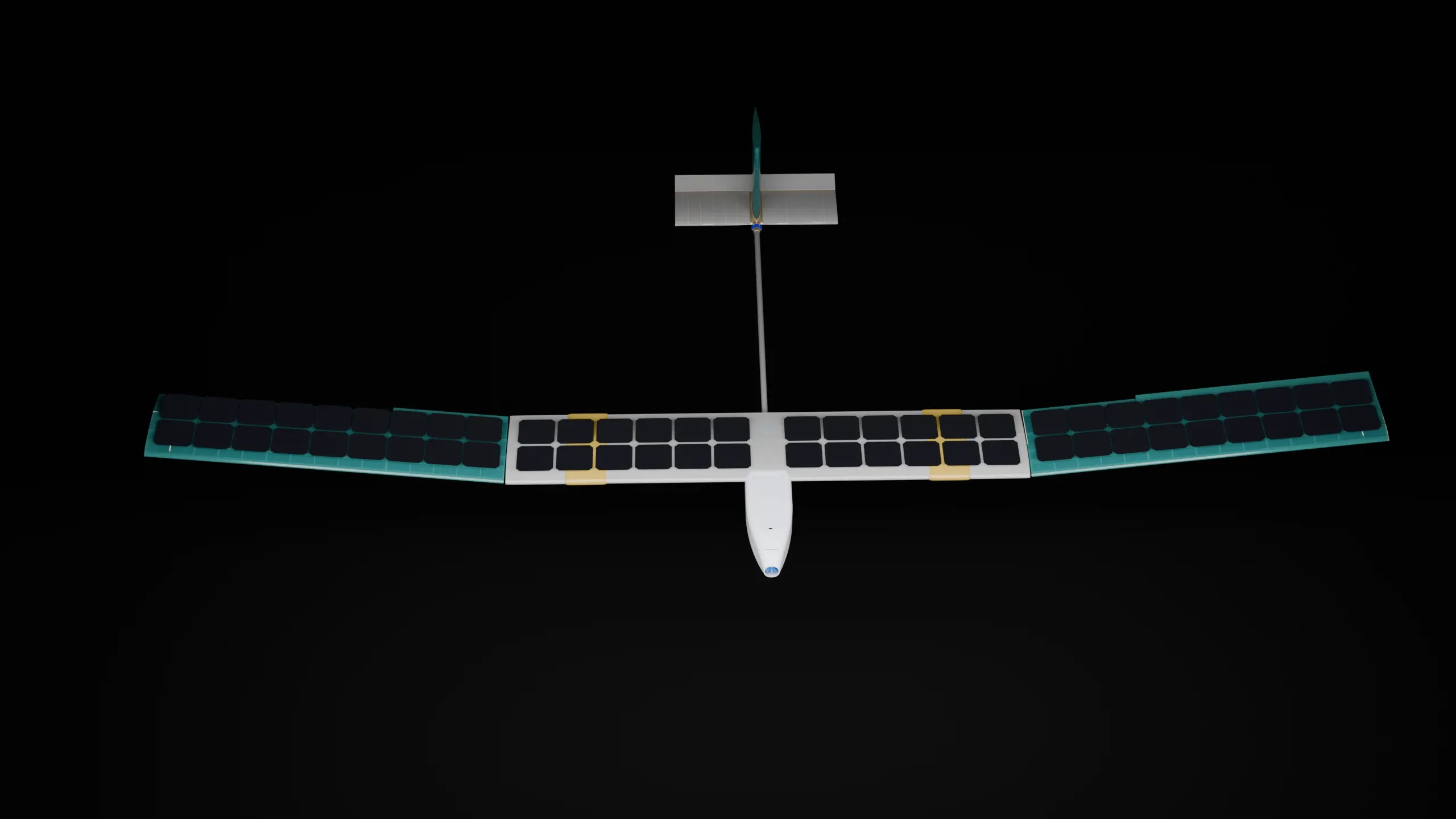
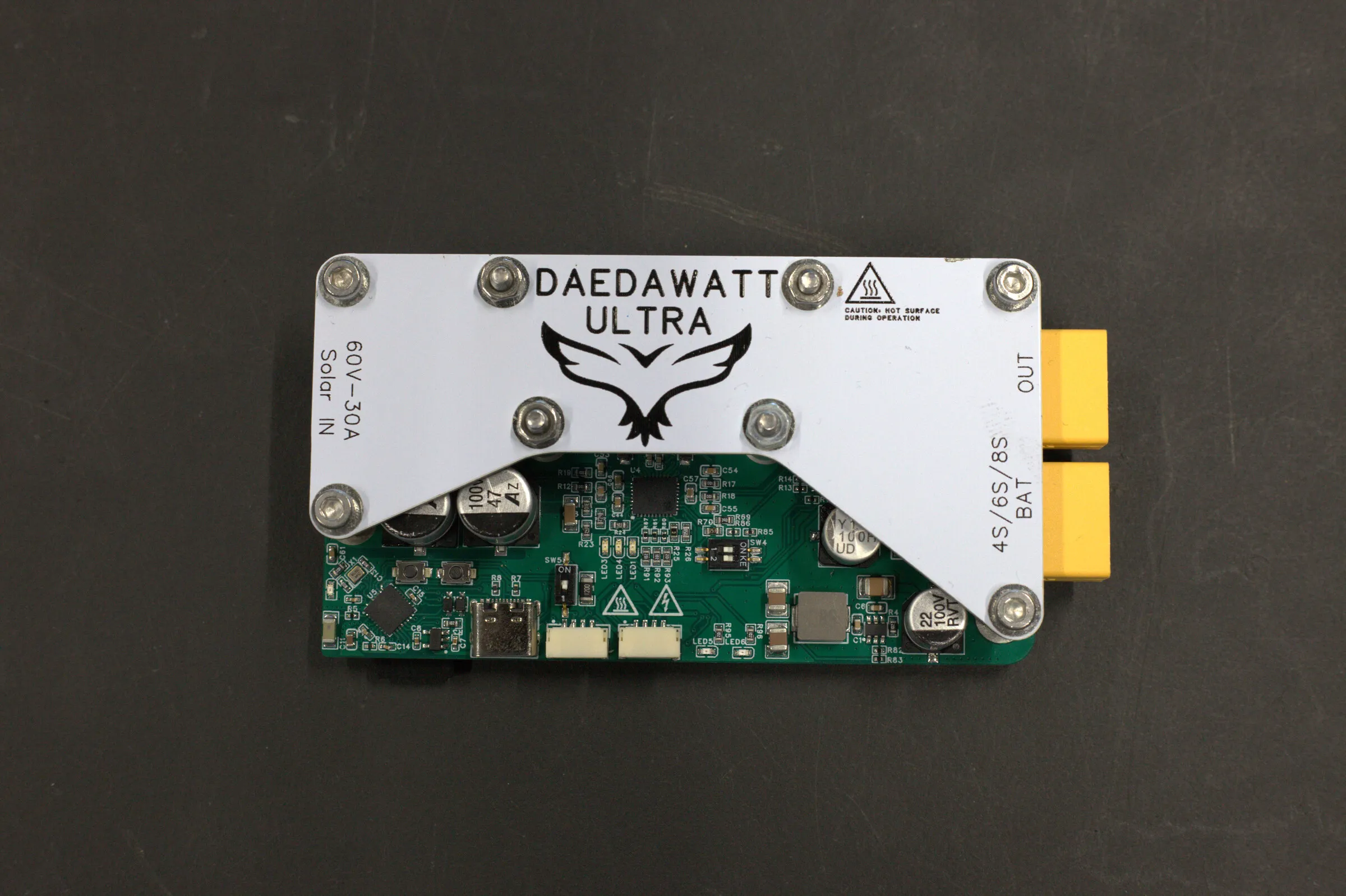
225 W of solar cells laid across the upper wing surface, spanning the full 4.0 m wingspan. Paired with the in-house Daedawatt Ultra MPPT charge controller to push endurance past the ~7 hr Lapyx 4 demonstrated on battery alone.
The 4.0 m span gives the aircraft a high-aspect-ratio wing, reducing induced drag and raising glide performance. That aerodynamic efficiency is what makes sustained solar flight practical at this scale.
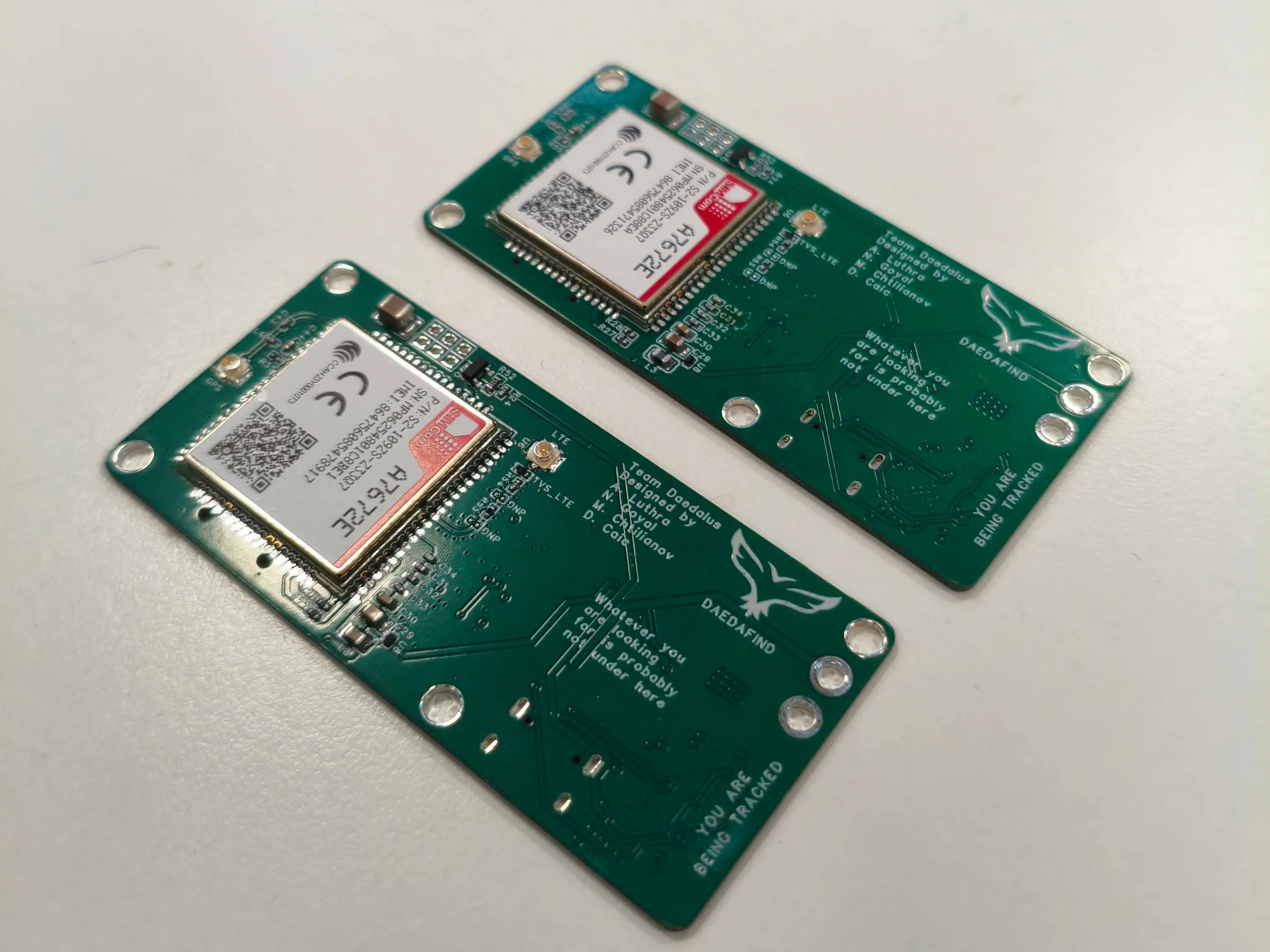
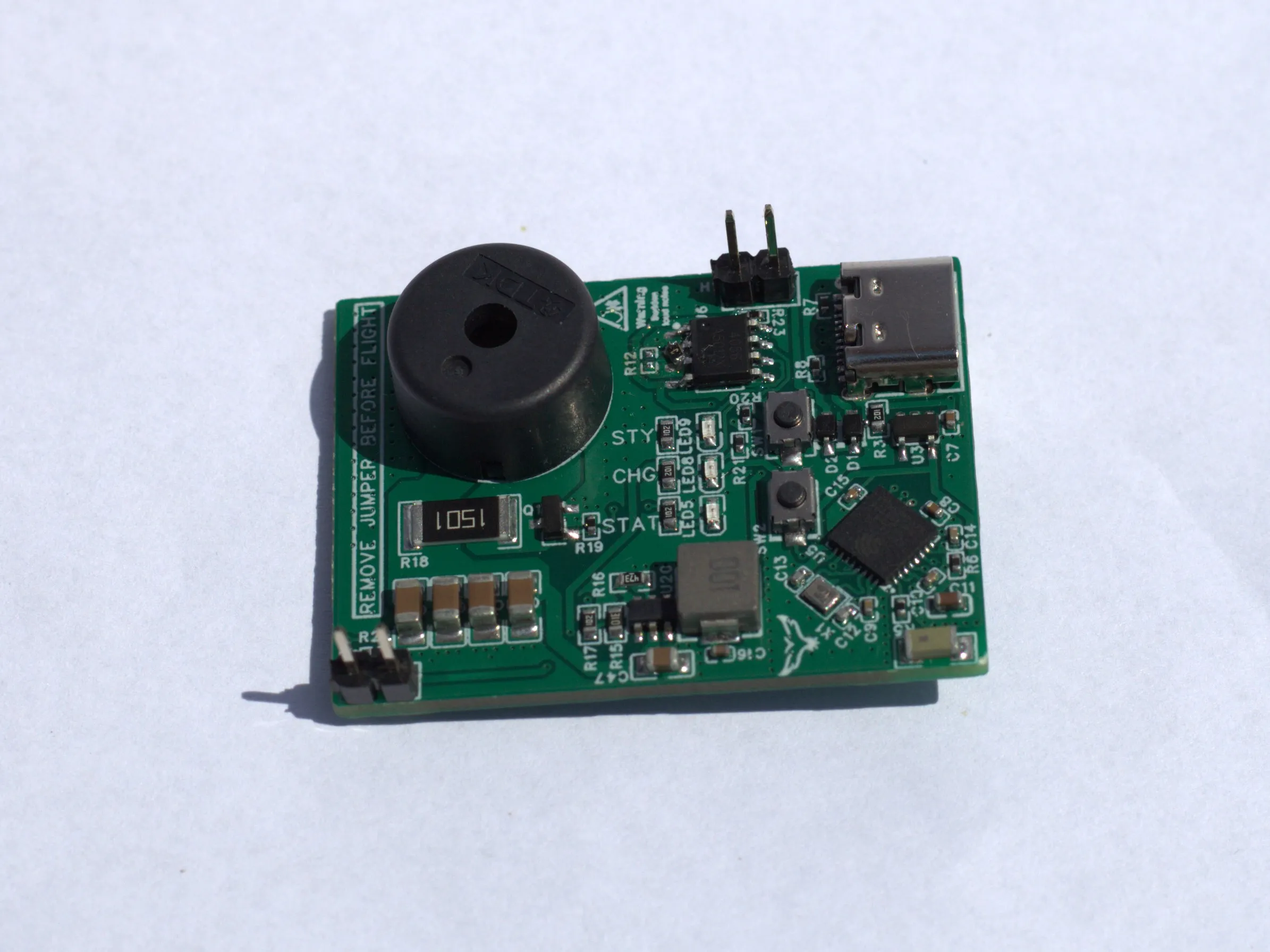
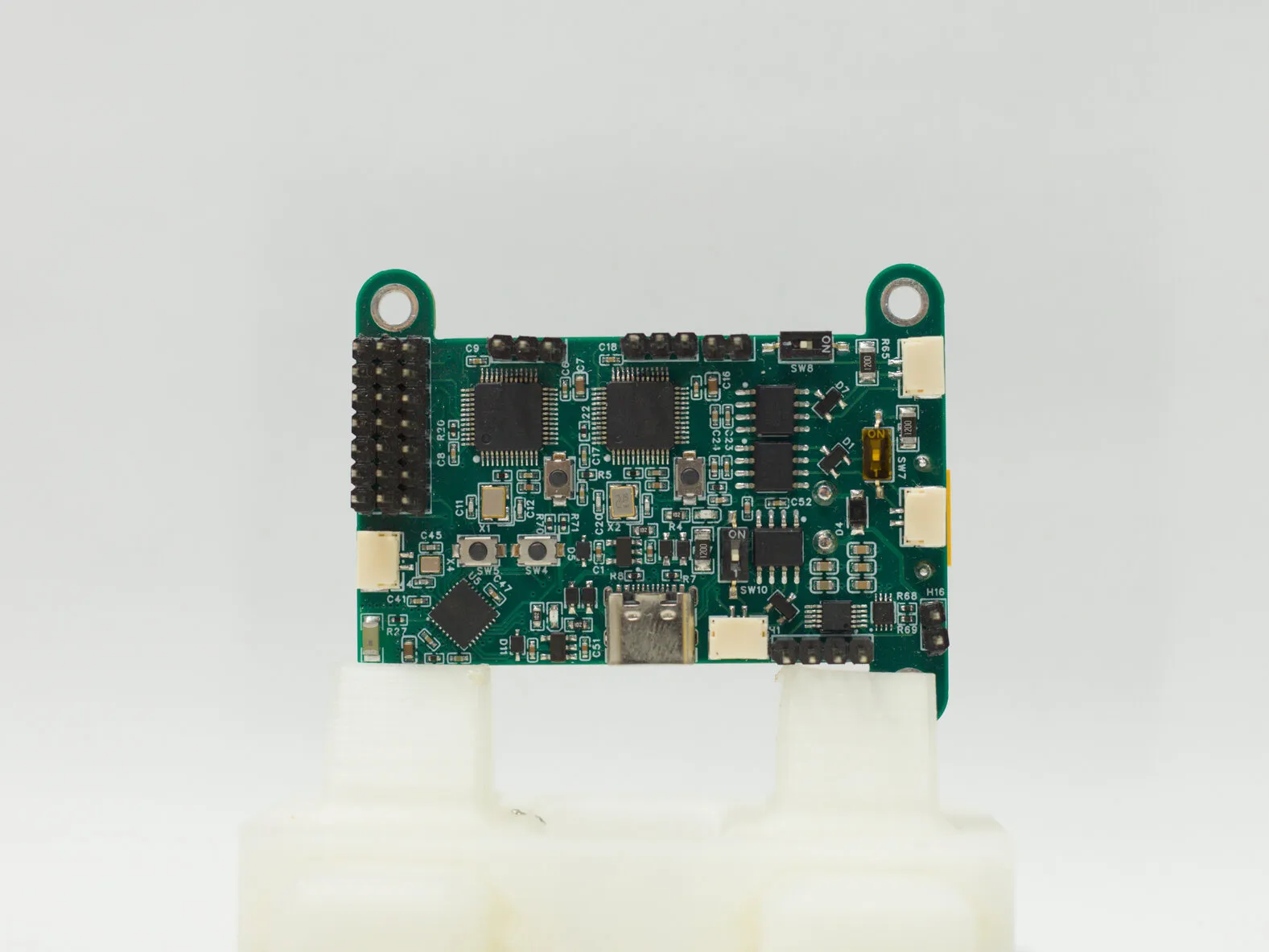
Fuselage pod carrying the fully integrated autopilot, flown in both manual and autopilot modes on the Lapyx 4 maiden flight. In-house avionics developed alongside it include the DaedaLink bus and the DaedaFind LTE/GNSS tracker.
Three 16 Ah cells carried in the fuselage, supplying the airframe alongside the solar array and covering the flight envelope when solar input drops.
A 1.08 m carbon-fibre tube carrying the empennage aft of the wing and setting the tail moment arm. The DaedaLink wiring runs through it, linking the motors and FPV camera to the electronic systems in the fuselage.
An analog FPV camera mounted at the top of the vertical fin, with its antenna and video-link system housed in the tail. It streams live to the ground FPV headset and monitor.
SELECT A SUBSYSTEM
225 W of solar cells laid across the upper wing surface, spanning the full 4.0 m wingspan. Paired with the in-house Daedawatt Ultra MPPT charge controller to push endurance past the ~7 hr Lapyx 4 demonstrated on battery alone.
The 4.0 m span gives the aircraft a high-aspect-ratio wing, reducing induced drag and raising glide performance. That aerodynamic efficiency is what makes sustained solar flight practical at this scale.
Fuselage pod carrying the fully integrated autopilot, flown in both manual and autopilot modes on the Lapyx 4 maiden flight. In-house avionics developed alongside it include the DaedaLink bus and the DaedaFind LTE/GNSS tracker.
Three 16 Ah cells carried in the fuselage, supplying the airframe alongside the solar array and covering the flight envelope when solar input drops.
A 1.08 m carbon-fibre tube carrying the empennage aft of the wing and setting the tail moment arm. The DaedaLink wiring runs through it, linking the motors and FPV camera to the electronic systems in the fuselage.
An analog FPV camera mounted at the top of the vertical fin, with its antenna and video-link system housed in the tail. It streams live to the ground FPV headset and monitor.
-
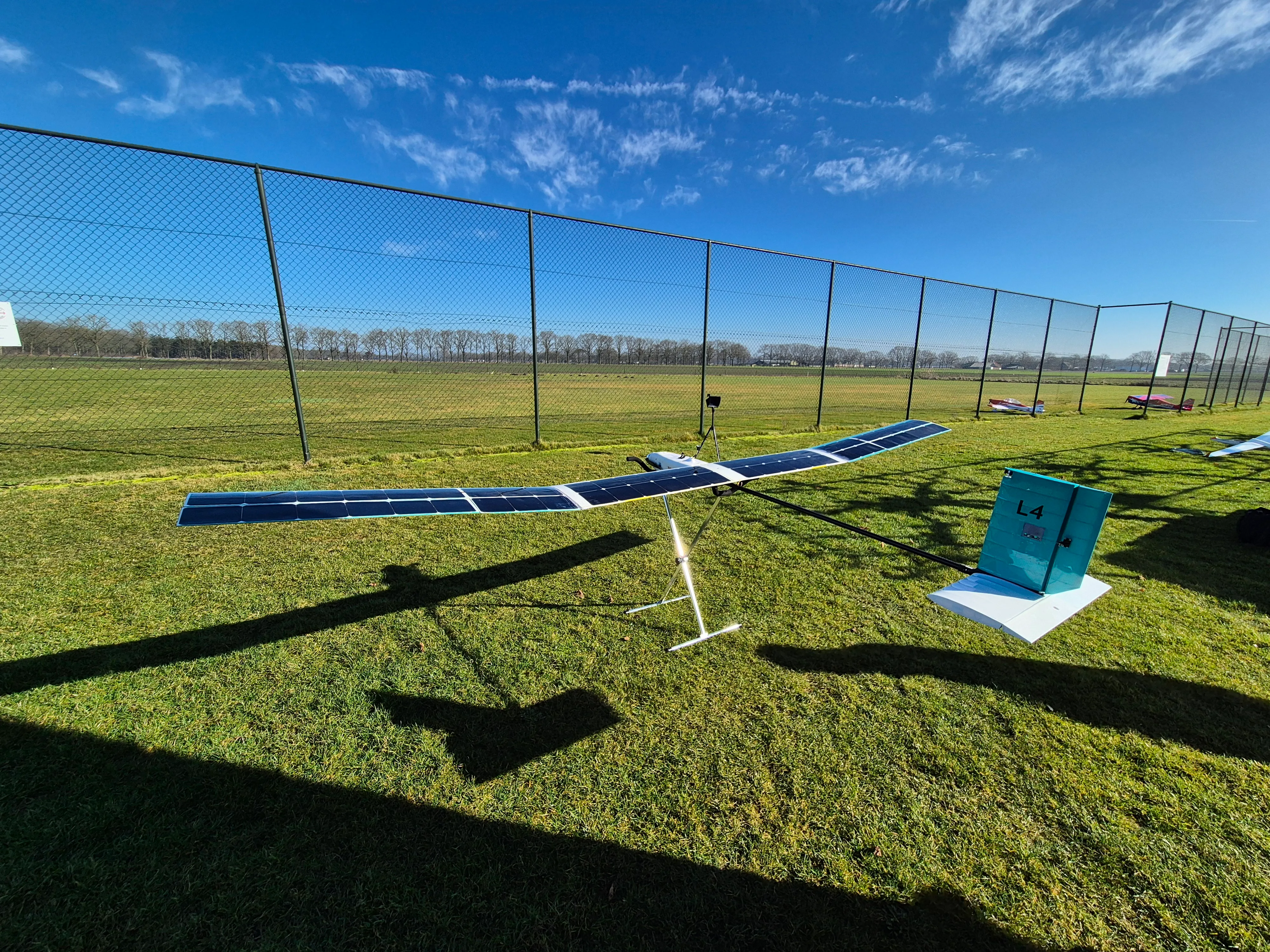 [06] 2026
Lapyx 4
rebuildingLatest prototype. 4-meter wingspan, fully integrated autopilot, 225 W of onboard solar panels for sustained flight.
- Wingspan
- 4.0 m
- Weight
- 9.2 kg
- Flight Time
- ~7 hr (est.)
-
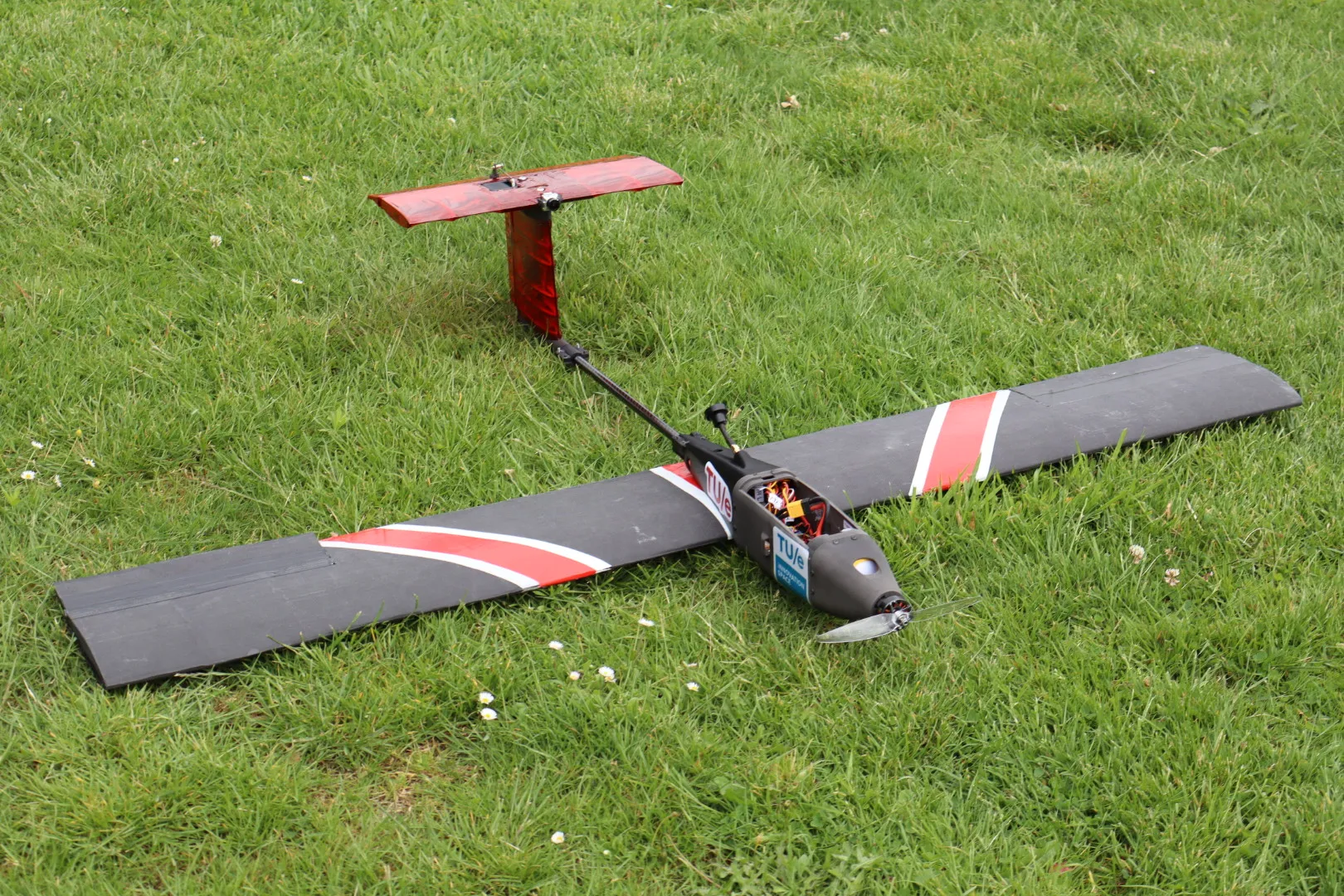 [05] 2025
Talos 1
crashedFirst carbon fiber drone. T-tail configuration with composite wings — built to test our manufacturing capability. Crashed on its flight attempt, but the wing survived unscathed.
- Wingspan
- 1.38 m
- Weight
- 2.0 kg
- Flight Time
- < 1 min
-
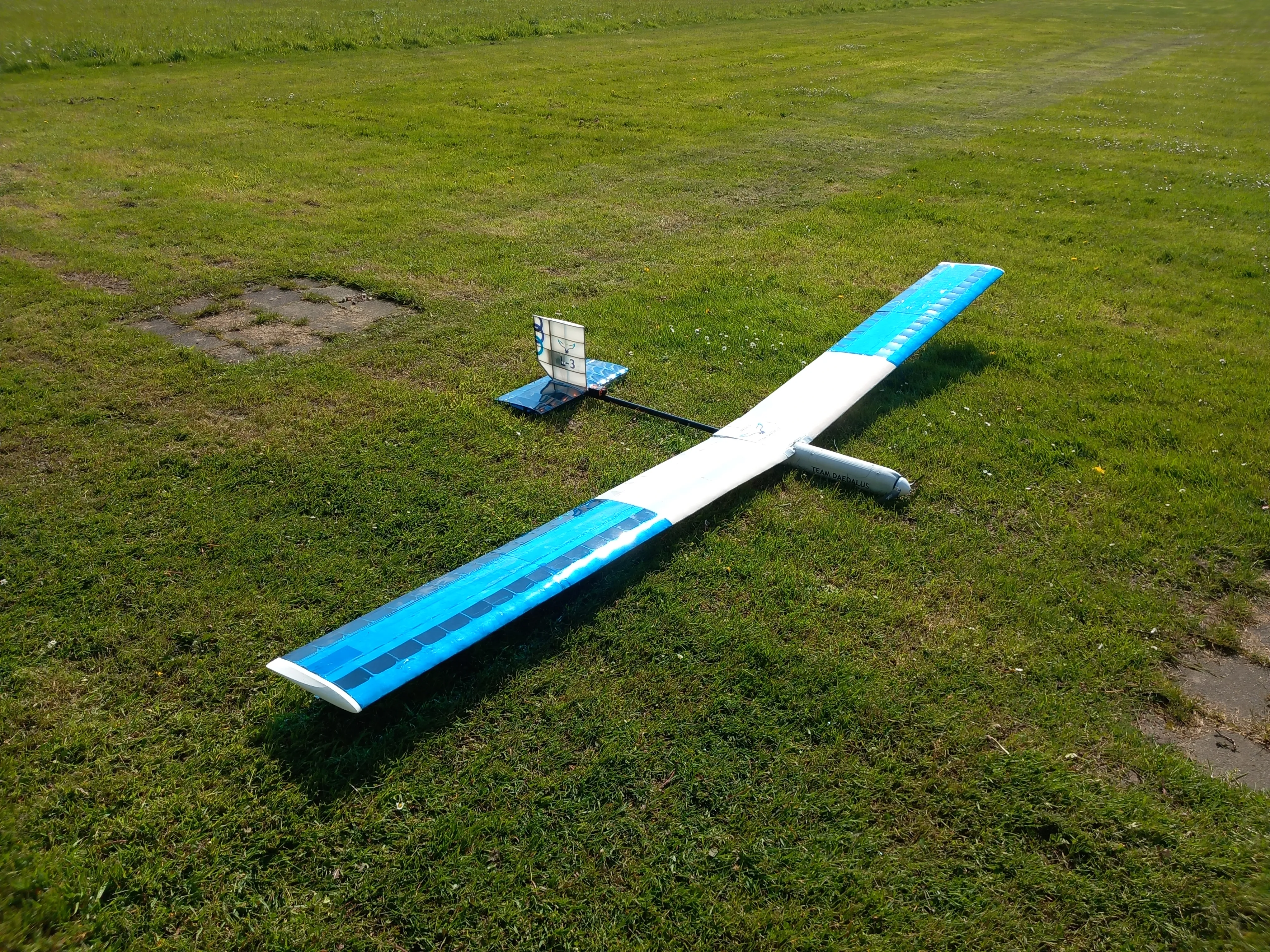 [04] 2024
Lapyx 3
retiredFirst airframe with a torsion-box wing — stable enough to host an autopilot and onboard solar panels.
- Wingspan
- 3.2 m
- Weight
- 2.8 kg
- Flight Time
- 40 minutes
-
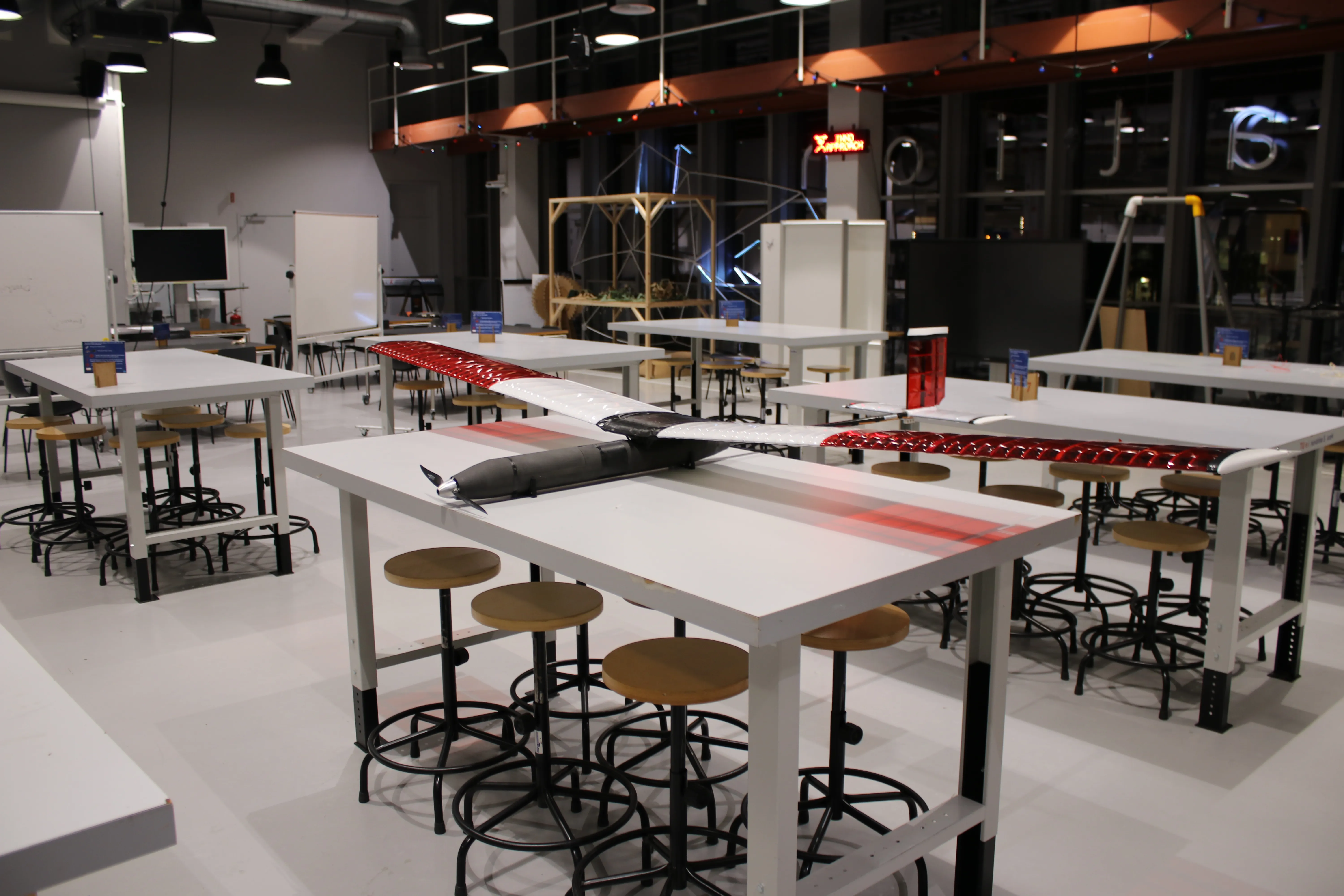 [03] 2023
Lapyx 2
retiredFirst fully airworthy system, launch to landing. Set the performance benchmark for all future prototypes.
- Wingspan
- —
- Weight
- —
- Flight Time
- 10 minutes
-
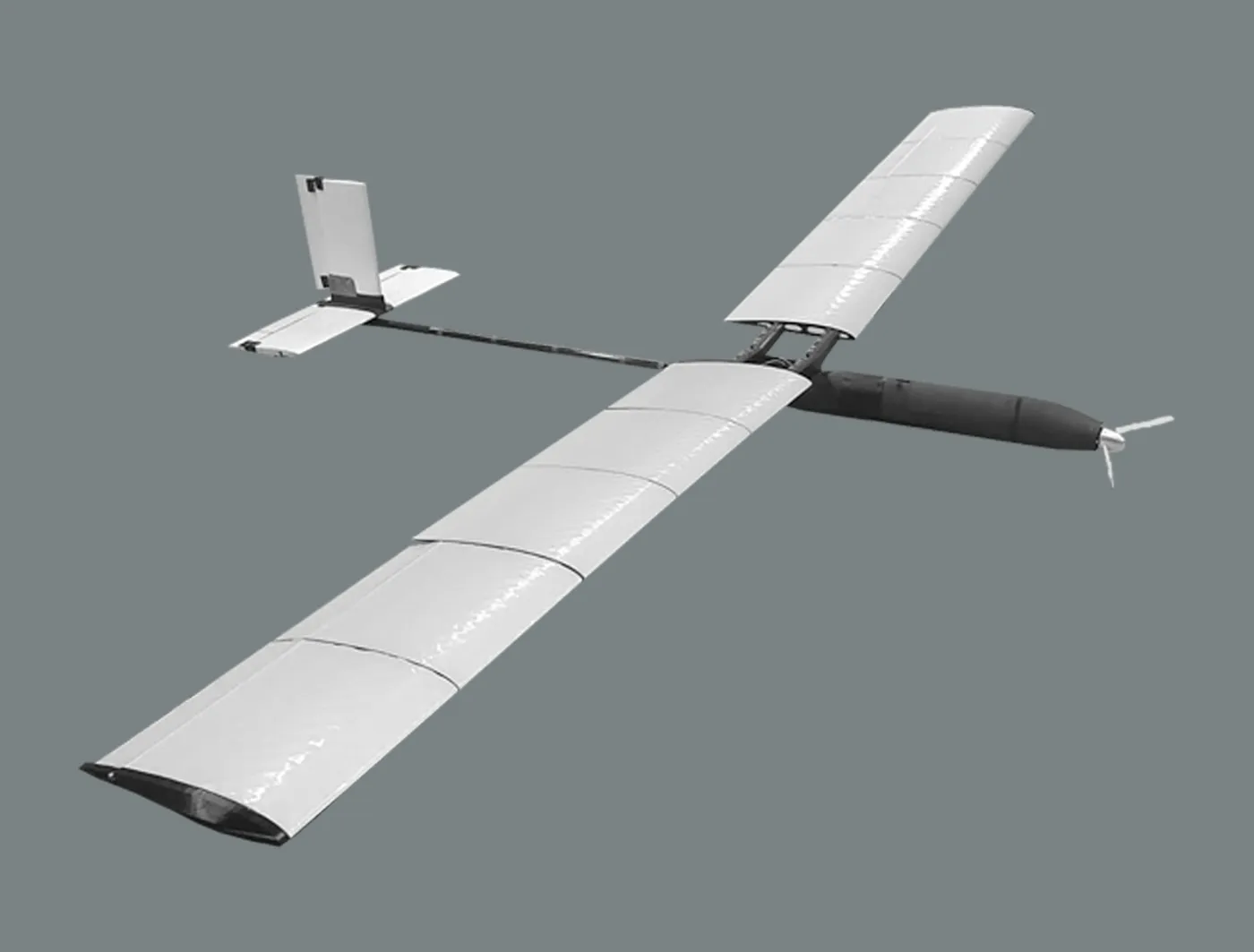 [02] 2023
Lapyx 1
crashedSuccessful launch and powered climb, but encountered wing flutter on its first turn and was crash-landed.
- Wingspan
- 3.0 m
- Weight
- —
- Flight Time
- < 1 min
-
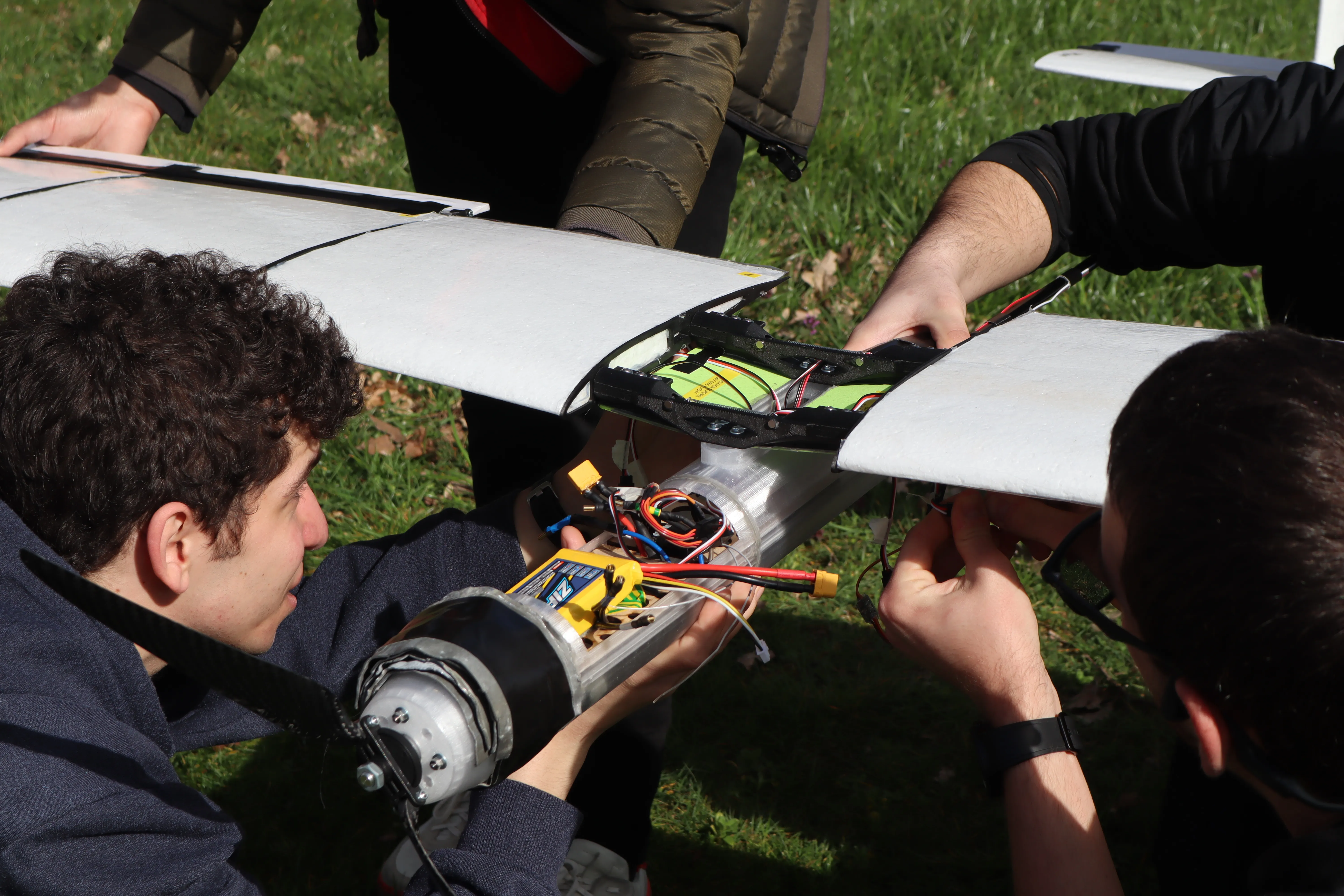 [01] 2023
Lapyx 0
crashedFirst prototype. Wire-cut foam wings and a 3D-printed fuselage. Crashed seconds after launch — but taught us everything.
- Wingspan
- 3.0 m
- Weight
- —
- Flight Time
- < 1 min